

If you’re planning a trip to Malaysia, it’s pretty easy to come home with more than you intended.
I’ve visited Malaysia quite a few times, mostly on stopovers to other places, and I always seemed to end up buying souvenirs along Petaling Street, Kuala Lumpur’s most famous shopping street.
That said, you’ll find souvenirs all over the country, not just in KL. Between the markets, shopping malls and street stalls, there’s no shortage of places to browse. There’s also a huge mix of things to choose from; some are tied to traditional techniques like batik or songket, while others are more about the food, spices, and flavors you come across while traveling.
If you’re wondering what to buy in Malaysia, here are some of the best souvenirs to look out for.
Souvenirs to Buy in Malaysia
Food & Drink: dodol, durian chocolate, teh tarik, white coffee, pandan snacks, milo, Ondeh Ondeh
Textiles & Clothing: batik, songket, Malaysia football jersey
Jewelry & Accessories: Sabah pearls, kerongsang
Crafts & Homeware: pewter (Royal Selangor), labu sayong
Games & Cultural Items: congkak
Best Malaysia Souvenirs
Batik
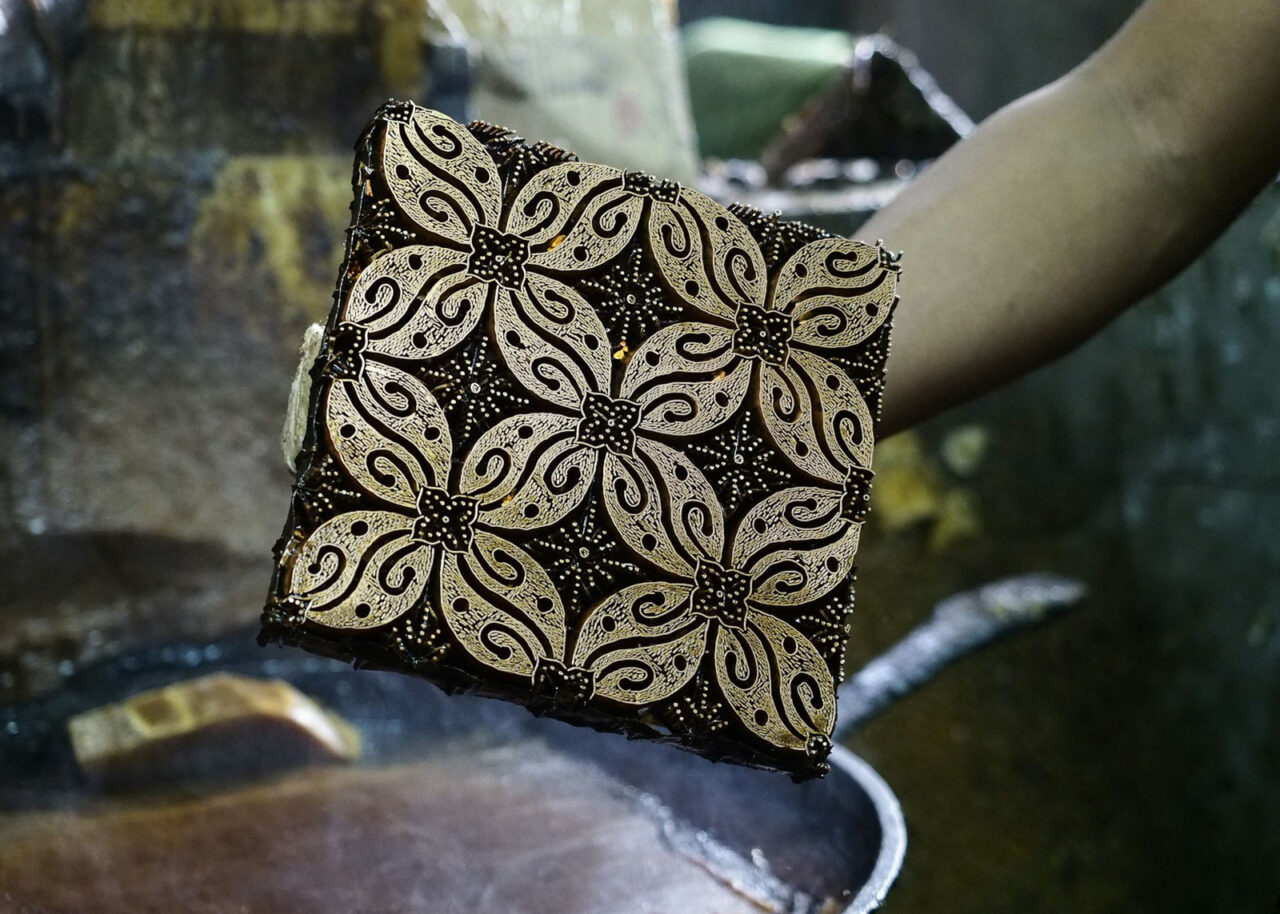
Batik is one of the most recognisable souvenirs from Malaysia, and you’ll see it pretty much everywhere.
It’s made using a wax-resist dyeing technique, where patterns are applied before the fabric is dyed, creating those detailed designs. Most pieces are made from cotton or silk, and the patterns are often inspired by nature, featuring things like flowers, leaves and local wildlife.
You’ll find batik used in clothing, scarves, and home items, and it’s one of the easier ways to bring back something that feels connected to the country without being overly bulky.
Royal Selangor Pewter

Royal Selangor is one of the more well-known Malaysian brands, especially if you’re looking for something a bit more polished.
They specialize in pewter, which is used to make everything from small souvenirs to tableware and decorative pieces. The designs are usually quite detailed, and you’ll see a mix of modern and more traditional styles.
It’s not the cheapest option on the list, but if you’re after something more long-lasting, this is one of the better choices.
Dodol

Dodol is one of those things you’ll come across if you spend any time around markets or local shops.
This sweet, slightly sticky treat is made from coconut milk, palm sugar and rice flour, cooked slowly until it reaches a soft, almost fudge-like texture. It’s quite rich, so a small amount goes a long way.
You’ll often see it around festive periods like Hari Raya, but it’s available year-round in most places.
Malaysian Football Jersey
Football is a big part of the culture in Malaysia, and the national team jersey shows up in a lot of shops.
The design usually includes the country’s colors, yellow, black, blue and white, along with the national crest. If you’re into football, or have someone in mind who is, this one’s a safe pick. It’s lightweight too, so it’s easy to fit into your suitcase.
Pandan Flavor Snacks
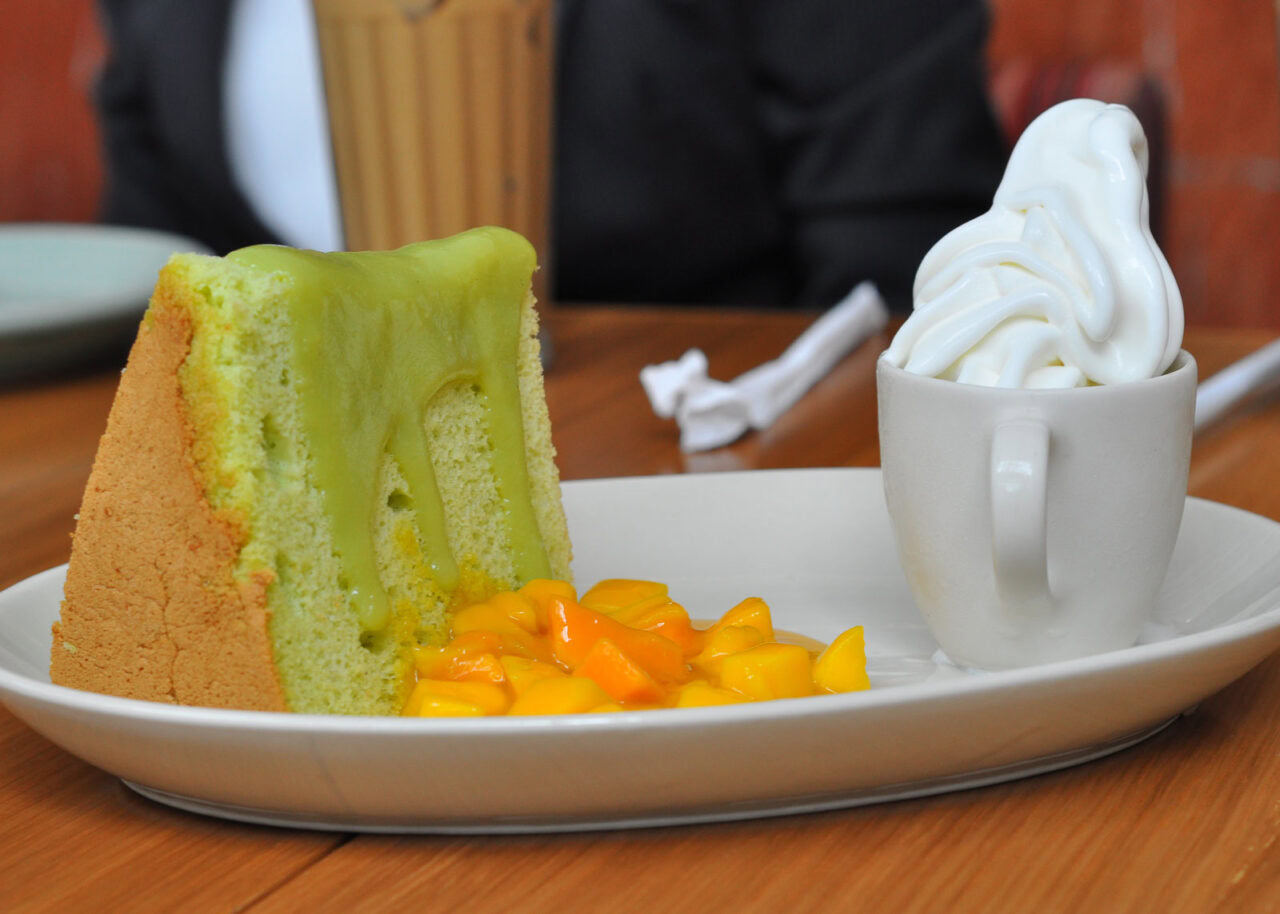
Pandan is one of those flavors you start noticing quite quickly in Malaysia.
It comes from a leaf that’s used in a lot of Southeast Asian cooking and has a slightly sweet, almost vanilla-like taste. You’ll find it in things like cakes, pancakes and desserts like ondeh-ondeh.
The bright green color also makes it easy to spot in bakeries and markets. When I arrived in Kuala Lumpur I had the most incredible pandan cake served with mango and ice cream – it was so fluffy and light!
Durian Chocolates and Candies

Durian is probably the most talked-about fruit in Malaysia.
This famous Malaysian food has a very strong smell, to the point where it’s banned on public transport in some places, but people either love it or hate it.
If you don’t want to deal with the real thing, durian-flavoured chocolates and candies are an easier way to try it. Still quite strong, but a bit more manageable.
Malaysian Games
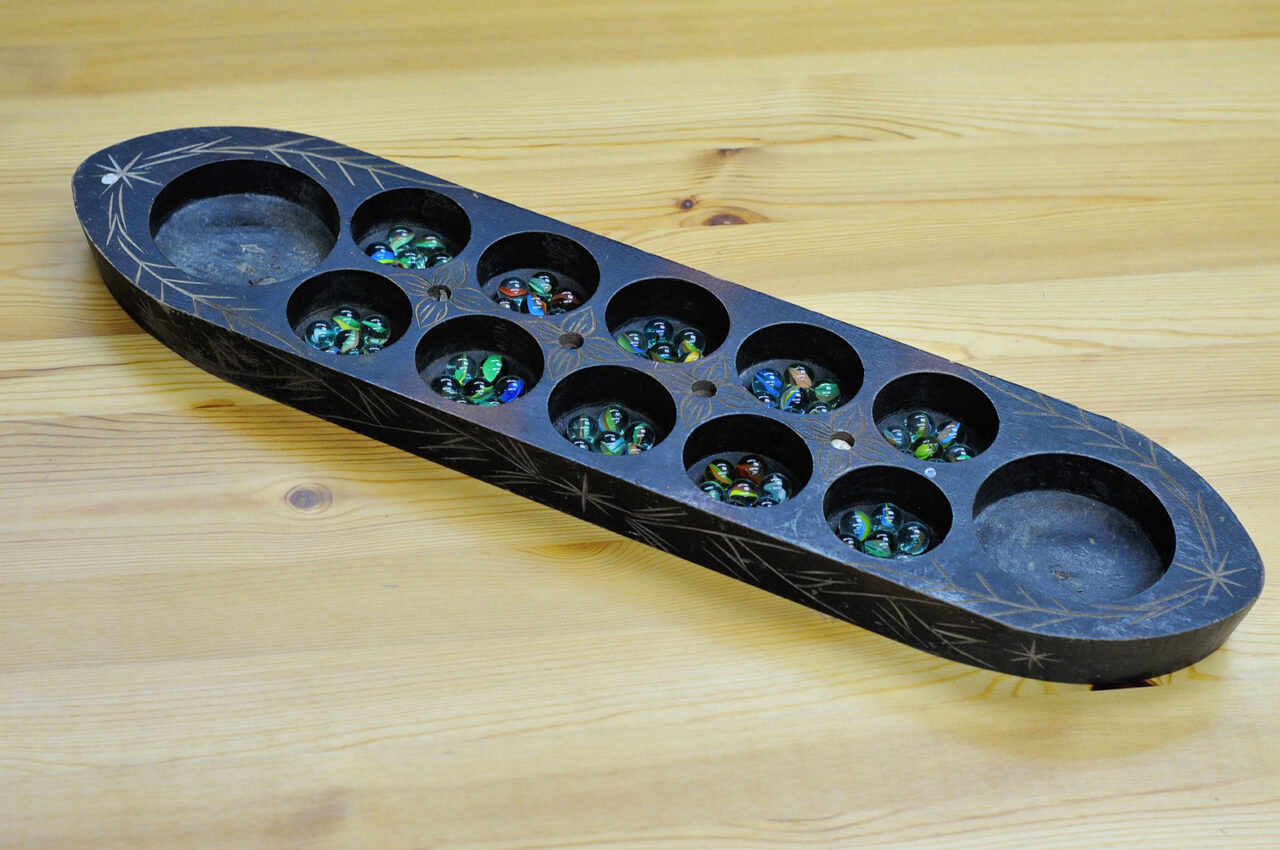
If you want something a bit different from the usual souvenirs, traditional Malaysian games are worth looking at.
You’ll come across things like congkak, a wooden board game where you move small stones or marbles around the board, and batu seremban, which is played with small beanbag-like pieces. Both are simple once you understand them, but they’re part of everyday culture rather than just something made for tourists.
You might also see items like wau bulan (traditional kites) or sepak takraw balls, which reflect the country’s outdoor and sporting traditions.
More Reading: What is Malaysia Famous For?
White Coffee
White coffee is one of the more well-known drinks in Malaysia, especially if you spend any time in Ipoh.
Despite the name, it’s not actually white. The difference comes from how the beans are roasted, usually with palm oil margarine, which gives it a lighter, slightly caramelised flavour. It’s then typically served with condensed milk, so it ends up quite creamy and sweet.
You can buy instant versions pretty easily, which makes it one of the easier food souvenirs to bring home.
Songket
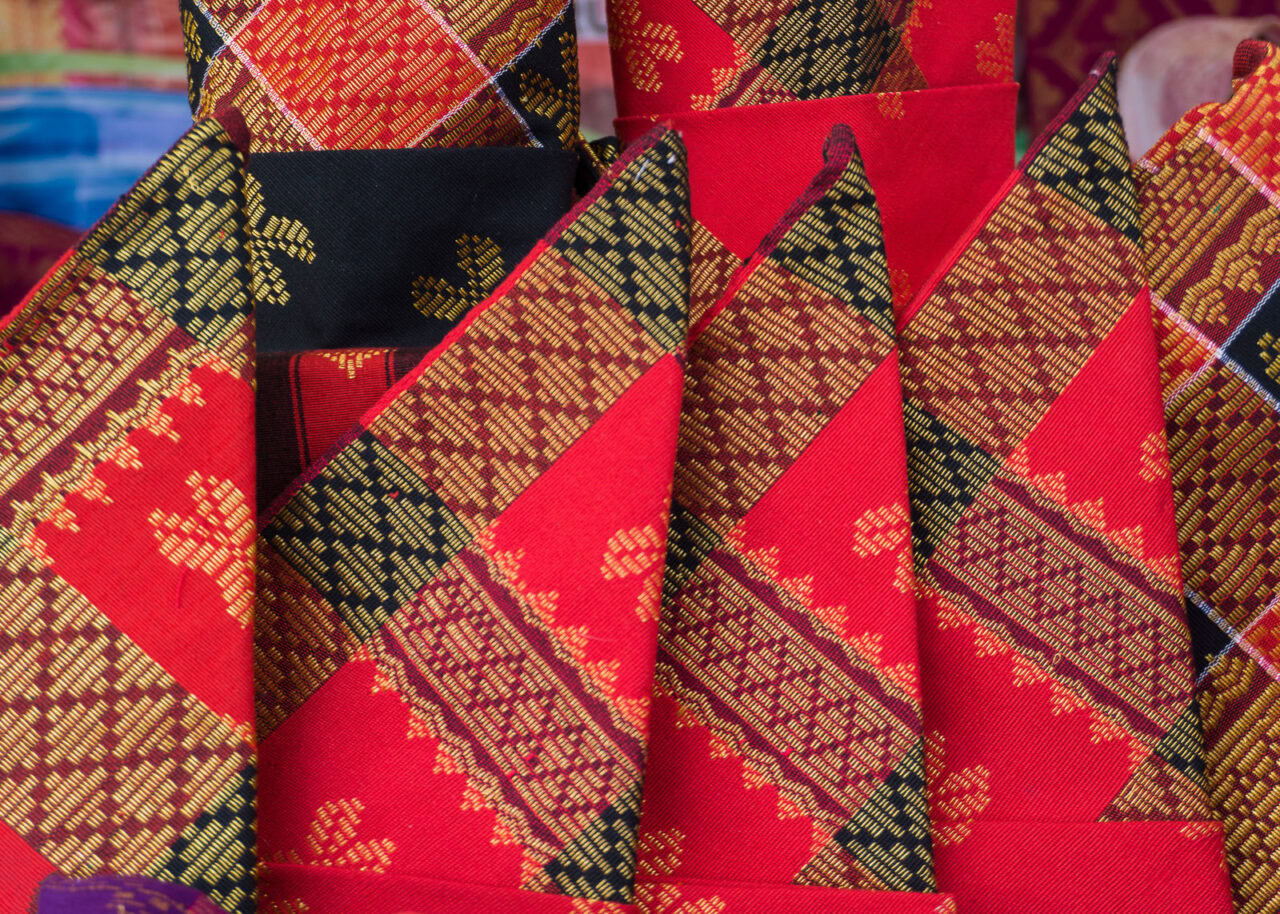
Across Malaysia, especially at more formal events, you’ll start to notice songket.
This is a traditional fabric that’s handwoven using silk or cotton, often threaded with gold or silver to create detailed patterns. It’s typically worn for weddings or ceremonies, which is why the designs feel more elaborate than everyday textiles.
Full pieces can be bulky, but smaller items are much easier to take home.
Labu Sayong

In parts of Peninsular Malaysia, you’ll see these distinctive black clay jugs known as Labu Sayong.
They’re shaped a bit like a gourd and were traditionally used to store drinking water, keeping it cool without refrigeration. The dark finish comes from the firing process, and many are still made using older techniques.
These days, they’re just as likely to be sold as decorative pieces.
Kain Pelikat
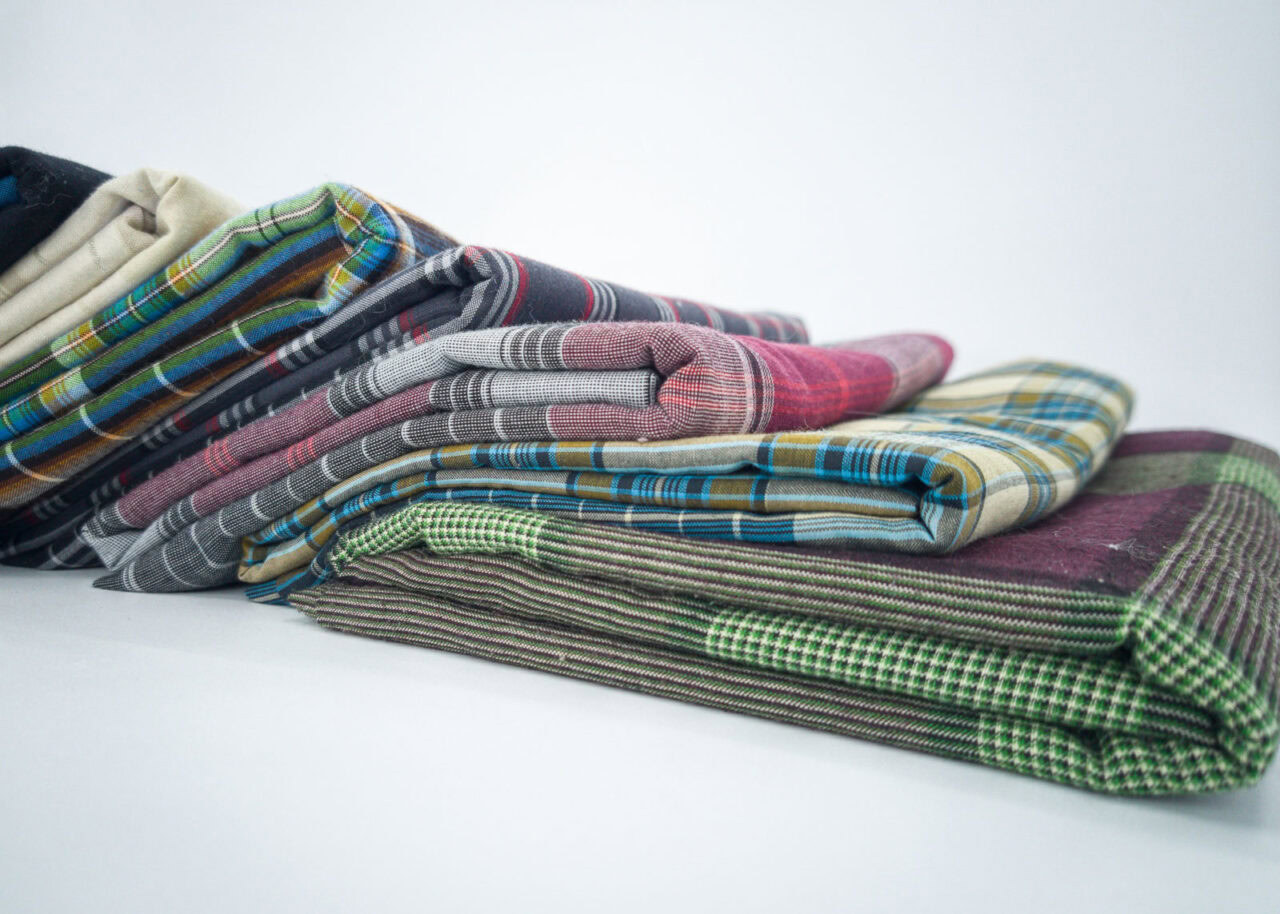
Walk through local markets or residential areas and you’ll probably spot kain pelikat being worn.
It’s a simple piece of patterned fabric, similar to a sarong, usually wrapped around the waist. What makes it interesting is how versatile it is, used at home, at the beach, or even as something to sit on or wrap around while travelling.
Lightweight and easy to carry, it’s one of the more practical things you can pick up.
100Plus

Given the heat and humidity, it’s not surprising that drinks like 100Plus are everywhere.
It’s a lightly carbonated sports drink with electrolytes, so it’s designed more for hydration than flavour, although it’s still quite sweet. You’ll see it in convenience stores, restaurants, and pretty much anywhere people need something refreshing.
This isn’t a traditional souvenir, but it’s definitely part of the everyday experience.
Sarawak Black Peppercorns
Head into markets or specialty shops and you’ll often find Sarawak black pepper being sold on the shelves.
Grown in Malaysian Borneo, it’s known for having a stronger aroma and more depth than standard pepper. It’s one of those ingredients that locals take seriously, and it shows up in a lot of dishes.
If you cook at home, it’s an easy one to justify bringing back.
Instant Teh Tarik
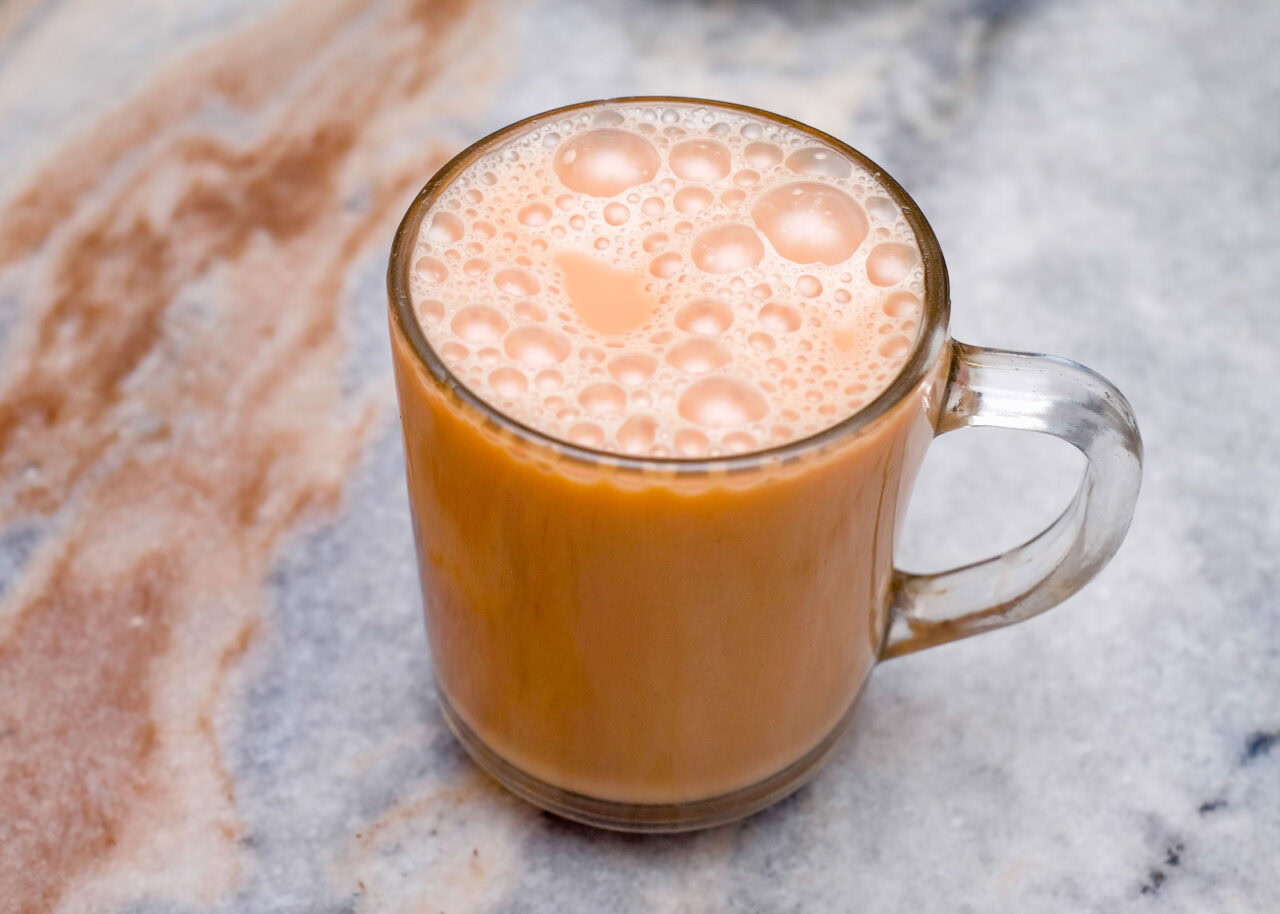
Teh Tarik is a very popular Malaysian drink that I absolutely fell in love with during my time there.
The name comes from the way it’s poured back and forth to create that frothy top, and the result is a sweet, milky tea with quite a strong flavor. Watching it being made is part of the appeal.
Instant sachets are widely available and give you a decent version without the technique.
Milo

Few drinks are as widely recognised in Malaysia as Milo.
It shows up everywhere, from breakfast tables to school canteens and even food trucks. Usually served iced in the heat, it’s a chocolate malt drink that’s become a bit of a staple.
Even if you’ve had it before, it feels slightly different here.
Ondeh Ondeh

At markets and bakeries, you’ll often see trays of ondeh ondeh.
These small green balls are made with pandan and coated in grated coconut, with a liquid palm sugar centre. Bite into one and the syrup bursts out, which is part of the experience.
They’re a little messy, especially the first time you try them, but once you know what to expect, they’re hard not to go back for another.
Sabah Pearls
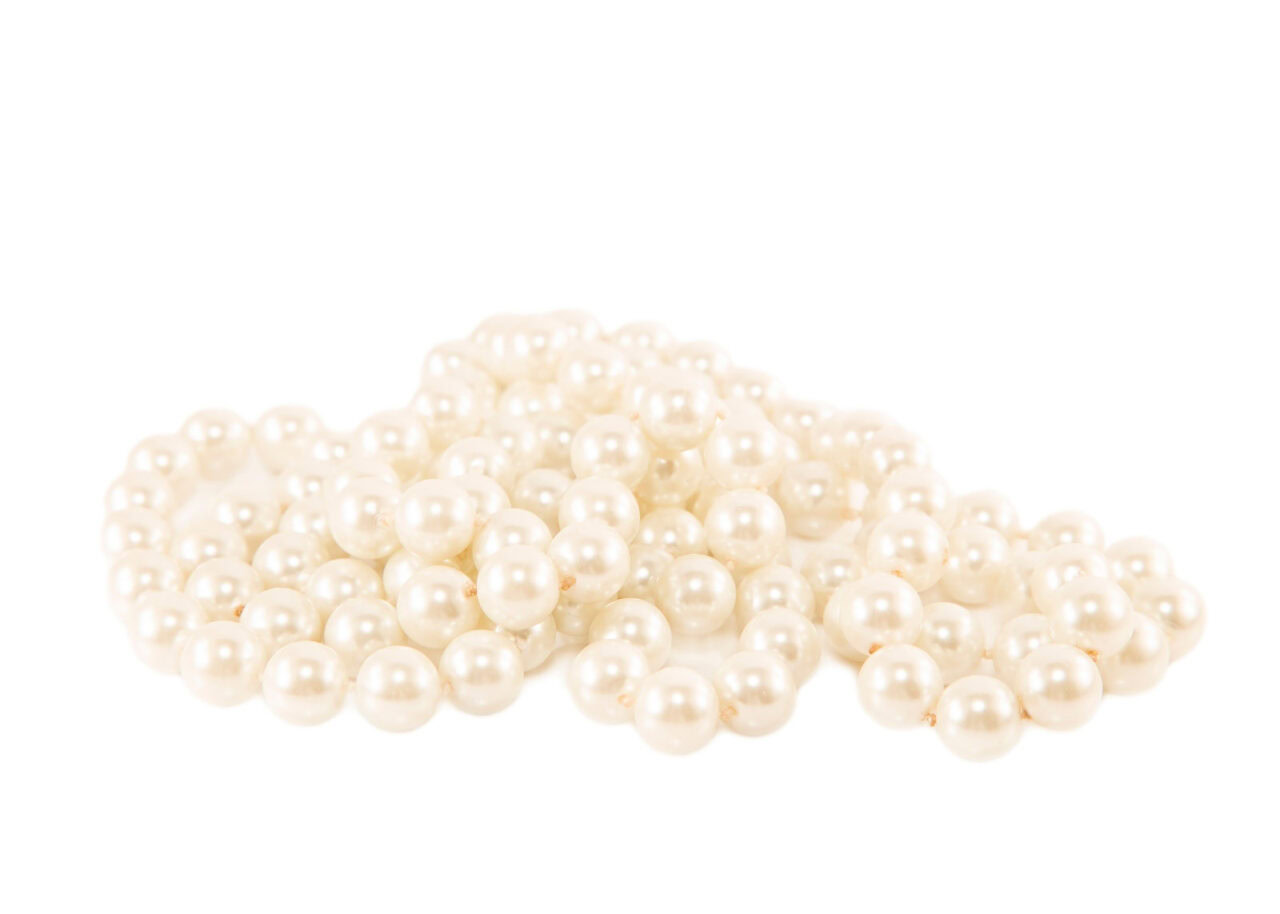
If you’re looking for something a bit more refined, Sabah pearls are worth a look.
Cultivated in the waters around Malaysian Borneo, these pearls are known for their range of colors, from white to gold and darker tones. You’ll usually see them set into jewelery rather than sold loose.
They’re a bit more of an investment compared to the other items on this list, but something you’re more likely to keep long-term.
Cucuk Sanggul
In traditional Malay dress, especially at weddings, cucuk sanggul is often part of the look.
These decorative hairpins are used to secure the bun and are usually made from gold or silver, often with detailed designs. Beyond their function, they also carry cultural meaning tied to tradition and status.
Not something you’ll use every day, but interesting from a cultural perspective.
Kerongsang
Alongside the kebaya, you’ll often see kerongsang used as a fastening.
These are decorative brooches, usually worn in a set, and can range from simple to quite intricate depending on the design. Materials vary from basic metals to gold or gemstone pieces.
They’re small enough to pack easily, but still feel quite tied to traditional dress and local culture.
A Final Word

Malaysia really surprised me. I didn’t quite know what to expect before I went, but I ended up loving it, especially the food. Things like pandan cake and Teh Tarik quickly became favorites (I was fully obsessed with this drink by the end of the trip).
That’s part of what makes souvenirs here feel a bit more meaningful. A lot of them are things you’ve actually tried along the way, so bringing them home is more about reliving those moments than just picking up random items.
If you have some time to explore, Kuala Lumpur is a good starting point, and Malacca is definitely worth a visit too. It’s a beautiful UNESCO-listed city with a lot of history. If you can get out into the Cameron Highlands as well, that’s another side of the country that’s completely different again.
